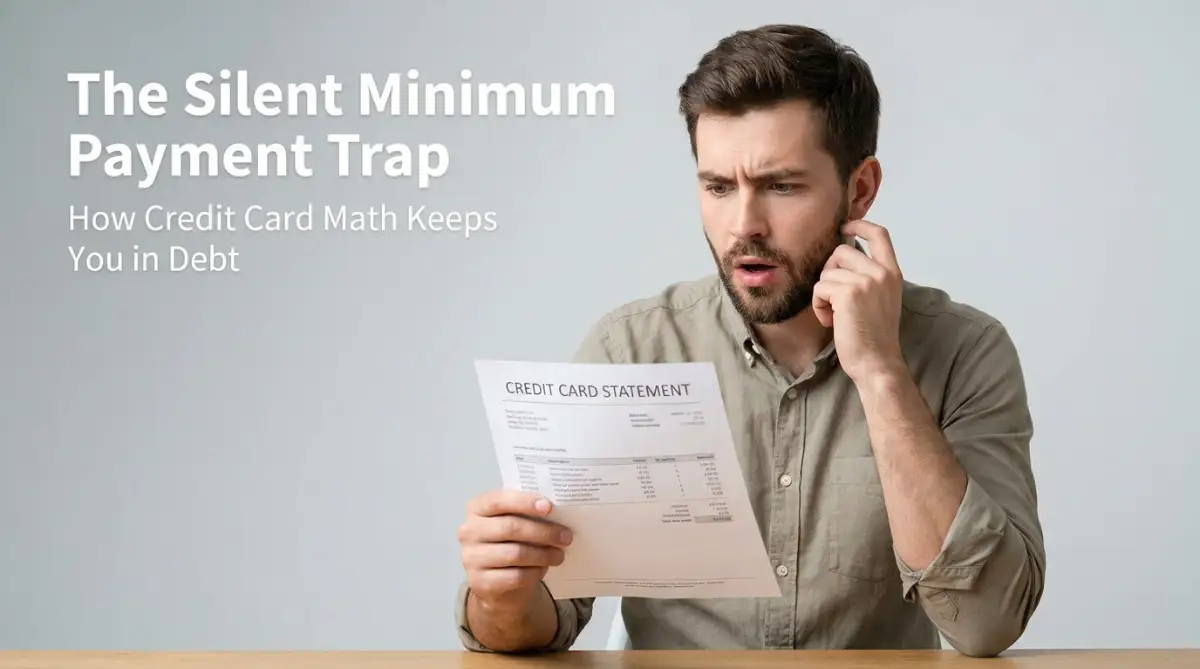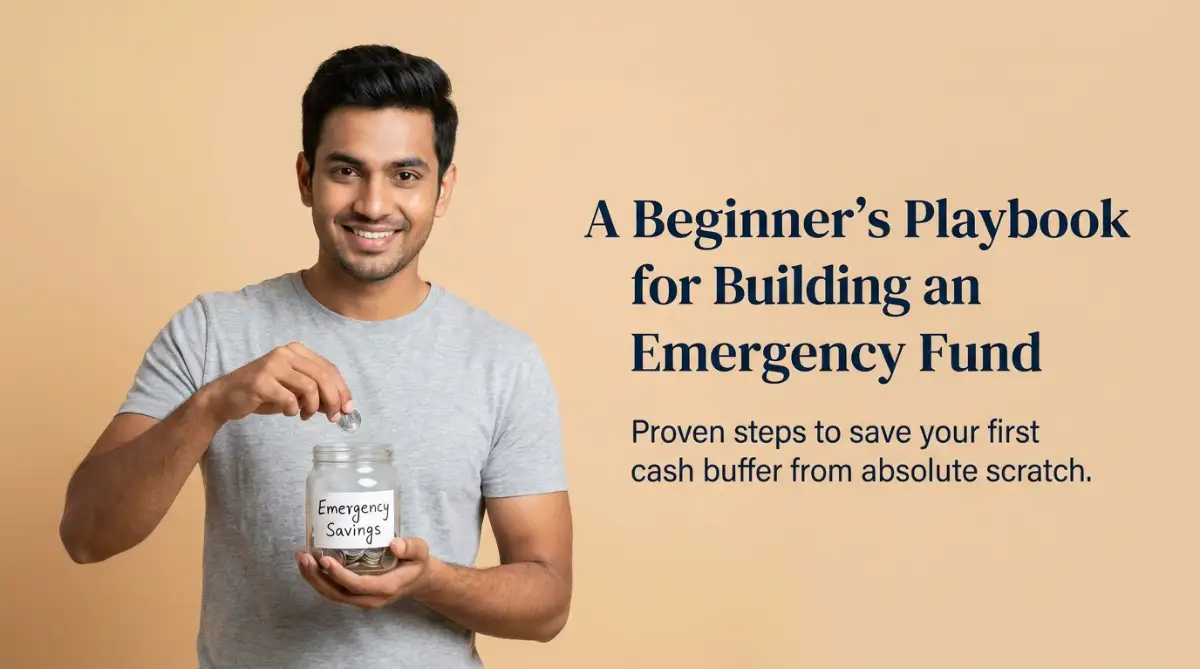
The Midnight Phone Call: When Life Demands Cash Now
I still remember the night my car broke down on a dark, empty highway, and my bank account had exactly fourteen dollars in it.
I had to call a friend to pay for the tow truck, and the shame I felt that night kept me awake for weeks. That terrifying moment made me realize I was living on a dangerous financial edge, and it pushed me to finally figure out how to save money even when I felt completely broke.
Imagine waking up at two in the morning to a loud, dripping sound in your hallway.
You walk out of your bedroom only to step into two inches of freezing, dirty water.
Your water heater has completely burst, and your hallway is turning into a miniature lake.
As you stand there in the dark, your mind does not immediately think about how to clean up the water.
Instead, your chest tightens with a cold, heavy sense of panic as you remember your bank account balance.
You know that calling an emergency plumber at this hour will cost at least three hundred dollars.
This is the exact moment when the lack of savings turns from a simple worry into a full-blown emotional crisis.
You feel a sinking sensation in your stomach because you realize you will have to borrow money or swipe a high-interest credit card.
That single broken pipe will now cost you months of stress and expensive interest payments.
This silent dread is a daily reality for millions of households who are living paycheck to paycheck.
They are constantly running on a financial tightrope, hoping that no unexpected emergencies pull them down.
But building a safety net does not require you to have a massive salary or complex accounting skills.

Constructing Your Financial Safe Zone: The Zero-to-Ready Roadmap
Before we jump into the exact steps below, check out this short video that perfectly explains how to start building an emergency fund without feeling completely overwhelmed. It is packed with simple, visual tips that will make the rest of this guide so much easier for you to follow!
To start your savings journey, you must first let go of the idea that you need to save thousands of dollars immediately.
Trying to save three months of living expenses right from the start is a psychological trap that causes most beginners to quit.
When the target feels too far away, our brains naturally lose motivation and we stop trying.
Instead, we need to focus on building a tiny, highly achievable cash buffer that serves as your first line of defense.
Let us look at a simple, step-by-step plan to build your financial armor starting today.
Step 1: Defining Your Mini-Buffer Goal
Your very first target is to save exactly five hundred dollars as fast as you can.
This is your mini-buffer, and its only job is to handle the small, annoying emergencies that life throws at you.
It is the money that pays for a flat tire, a quick trip to the dentist, or a broken window.
By aiming for five hundred dollars instead of five thousand, you make the goal highly realistic and less intimidating.
You can easily reach this target by saving just five dollars a day over the course of a few months.
Once you hit this first milestone, you will feel a sudden boost of confidence that will propel you toward your next goal.
Myth vs. Reality: The Savings Mindset
The Common Belief & The Real Financial Truth
You need to have a high-paying job to build a successful emergency fund. Consistent habits matter far more than the size of your monthly paycheck.
Keeping your savings in your everyday checking account is perfectly fine. Having easy access to your savings makes you highly likely to spend them.
An emergency fund is only used for major, life-altering catastrophes. A starter buffer is designed to handle everyday inconveniences before they turn into debts.
Step 2: Creating the Out-of-Sight Vault
If you keep your emergency savings in the same bank account you use to buy groceries, those savings will slowly disappear.
Our brains are wired to spend the money we see when we log into our daily banking apps.
To protect your savings from your own spending habits, you must open a separate savings account.
This separate account should be at an entirely different bank from your everyday checking account.
Do not order a debit card for this new account, and do not link it to your mobile payment apps.
By adding this simple physical friction, you force yourself to think twice before touching that money.
Account Comparison: Checking vs. Dedicated Savings
Feature Everyday Checking Account Dedicated Savings Vault Primary Purpose Paying daily bills and groceries Storing emergency cash safely Ease of Access Instant (Debit card & mobile apps)Delayed (Requires manual bank transfer) Growth Potential Zero or near-zero interest Earns monthly compound interest Spending Temptation Extremely high Very low.
Step 3: Automating the Micro-Savings Flow
My biggest mistake early on was trying to manually save money at the end of the month, only to find I had already spent it all.
I quickly realized that if I did not automate my savings on the exact day I got paid, the cash would magically disappear into takeout meals and random online shopping. Setting up an automatic transfer for just ten dollars a week was the single habit that finally made my emergency fund actually grow.
The easiest way to save money is to make the process completely automatic so you do not have to think about it.
If you have to make a conscious decision to save money every week, you will eventually experience decision fatigue.
Eventually, a week will come when you decide to buy something fun instead of putting money into your vault.
To bypass this human weakness, set up an automatic recurring transfer of ten dollars every Friday.
Most online banking systems allow you to configure this transfer in less than two minutes.
Ten dollars a week is a small enough amount that you will barely notice its absence from your daily budget.
Over a year, this simple, silent habit will automatically put more than five hundred dollars into your emergency vault.
It is like planting a tiny seed that quietly grows into a protective tree without requiring your daily attention.
Pro Tip: Establish Strict Rules for What Counts as an Emergency
Before you save a single dollar, write down a clear list of what actually qualifies as an emergency. A broken refrigerator, a sudden medical bill, or an urgent car repair are real emergencies.
A flash sale on your favorite online store, a cheap weekend flight, or a holiday gift are not emergencies. Writing these rules down beforehand protects your buffer from emotional spending.
Step 4: Auditing Your Hidden Cash Leaks
If you feel like you truly have zero dollars left at the end of the month, you need to conduct a simple cash audit.
Most people have tiny, hidden cash leaks that drain their wallets without them ever realizing it.
These leaks are usually small, recurring charges that seem harmless on their own but add up to large amounts over time.
Start by looking at your bank statements from the last thirty days with a red pen.
Circle every subscription, streaming service, or app membership that you have not actively used in the past two weeks.
Canceling just one unused streaming service can instantly free up fifteen dollars a month for your savings jar.
The Home Brew Challenge
Try replacing your expensive daily coffee shop visits with simple, home-brewed coffee for just one month.
If you spend four dollars on coffee every workday, making it at home can save you eighty dollars in thirty days.
This simple habit shift alone can build nearly twenty percent of your starter emergency buffer.
The Packing Lunch Strategy
Eating takeout lunches during work hours is another massive drain on your monthly resources.
Try packing your own lunch just three times a week.
The average savings of ten dollars per meal will put an extra one hundred and twenty dollars a month back into your pocket.
Every single dollar you save from these small changes should be transferred immediately into your separate savings vault.
Do not leave the extra money in your checking account, or you will naturally find another way to spend it.
By redirecting these small leaks, you turn waste into a protective shield for your family.
Step 5: What to Do When You Face an Emergency
When a real emergency eventually happens, do not feel guilty about using the money you have saved.
Many people work incredibly hard to build their buffer, only to feel a sense of failure when they have to spend it.
Remember that this is the exact reason why you created this fund in the first first place.
Using your savings to pay for a repair means your emergency savings plan has worked exactly as designed.
You avoided credit card debt, you did not have to borrow from friends, and you maintained your financial independence.
Once the emergency is resolved, simply restart your automatic transfers and begin rebuilding your buffer back to its target.
To wrap things up, saving from scratch is not about deprivation; it is about buying your own peace of mind.
By starting small, separating your funds, and automating your habits, you can build a reliable buffer that keeps you safe.
Take that first step today, configure your automatic transfer, and give yourself the gift of a worry-free future.
Next-Level Hacks to Accelerate Your Savings Pace
Once you have established your initial five-hundred-dollar starter buffer, you can begin using advanced methods to grow your fund.
These expert strategies are designed to help you build your savings cushion faster without making your daily life feel restricted.
The first strategy is what I call the Automated Windfall Rule.
Throughout the year, most of us receive unexpected cash injections, such as tax refunds, work bonuses, or monetary gifts.
Instead of treating this extra money as a license to go on a shopping spree, try automating your response to these cash windfalls.
Before the money even hits your main checking account, commit to transferring at least seventy percent of it directly into your savings vault.
Since you were already living comfortably without this extra money, you will not feel any sense of daily sacrifice.
This simple habit can instantly double your emergency reserves in a single day.
Making Your Stored Cash Work Safely for You
When you are starting from zero, the location of your money is just as important as the amount you save.
Most traditional brick-and-mortar banks offer incredibly low interest rates on standard savings accounts.
To keep your money safe from inflation, you should look into opening a High-Yield Savings Account (HYSA).
These online-only accounts are fully protected by government insurance and often pay ten to twenty times more interest than traditional banks.
By utilizing these accounts, your cash buffer will quietly grow on its own over time through the power of compound interest.
According to financial health resources provided by the Consumer Financial Protection Bureau guides on emergency savings, choosing the right high-yield account is a key step to protecting your cash from losing purchasing power.
This passive growth means your money is actively working to protect you, even while you sleep.
It is a low-risk way to turn your savings into a self-growing financial shield.
Transitioning From Starter to Full-Scale Protection
As your starter buffer grows, you can gradually transition your goals from a basic five-hundred-dollar safety net to a full-scale emergency fund.
A full-scale fund is designed to cover three to six months of your actual living expenses.
This is the ultimate financial armor that protects your family from major events, such as a sudden job loss or a prolonged medical illness.
If you are currently carrying high-interest debt, you might wonder if you should focus on saving or paying off your bills first.
A highly effective approach is to keep your five-hundred-dollar starter buffer in place while aggressively tackling your debts.
You can read more about demystifying the debt snowball strategy to learn how coordinating your savings with your debt plan can lead to long-term success.
Having that initial cash buffer ensures that you do not have to borrow new money while you are actively working to pay off your old obligations.
It breaks the endless cycle of borrowing and paying back that keeps so many households trapped.
Pro-Level Savings Habits to Adopt
- Label Your Accounts: Name your savings account "The Emergency Shield" or "The Rainy Day Guard" to create a psychological barrier against spending it.
- The 24-Hour Wait Rule: Before spending money on any non-essential purchase, wait twenty-four hours to see if the desire fades.
- Round-Up Savings: Use mobile banking tools that automatically round up your daily transactions to the nearest dollar and deposit the spare change into your savings.

Hidden Landmines: The Psychological Errors That Drain Your Reserves
Building a secure emergency fund is eighty percent psychology and only twenty percent math.
Many people work incredibly hard to save their first few hundred dollars, only to watch it vanish due to simple, avoidable mindset traps.
Recognizing these mental blind spots is necessary to keep your savings safe.
The most dangerous pitfall is what I call "Mental Leakage," which happens when you start treating your emergency fund as a secondary checking account.
You might tell yourself, "I am just borrowing fifty dollars for this concert ticket, and I will pay it back next week."
This is a slippery slope because once you cross that line, you destroy the mental barrier that keeps your savings sacred.
If you allow your emergency cash to slide into your daily spending habits, you will eventually find yourself with an empty vault when a real crisis hits.
According to a national Federal Reserve study on household financial health, a shocking percentage of adults cannot cover a small, unexpected four-hundred-dollar expense with cash.
They often have to rely on expensive, high-interest credit options because they did not protect their initial savings.
Another common mistake is trying to save money while completely ignoring your current bills and loan obligations.
If you are constantly late on your basic loans to put money into savings, you are actually losing money in the long run.
The expensive late fees and interest penalties will quickly exceed any interest you earn in your savings account.
If you find yourself struggling with missed payments, it is important to understand the consequences of missing a loan monthly payment before you allocate all your cash to savings.
You must maintain a healthy balance between paying your necessary bills on time and quietly building your emergency cushion.
Neglecting one to focus entirely on the other is a recipe for financial instability.
Finally, avoid the temptation to seek out high-risk investments with your emergency cash.
Your emergency fund is not an investment portfolio; its primary job is liquidity and safety, not rapid growth.
Putting your cash buffer into volatile stocks or crypto markets can result in you losing your safety net right when you need it most.
If you are forced to take out an emergency loan because your savings are locked in a falling market, you run the risk of falling into predatory lending traps.
You can read about common loan approval mistakes to avoid to understand how a lack of liquid cash can force you into accepting terrible borrowing terms.
Keep your emergency money in a safe, insured, and easily accessible bank account where it is guaranteed to be there when you need it.
Your Action Plan for Tomorrow: Reclaiming Financial Control
To wrap things up, building a secure cash reserve is not about changing your entire lifestyle overnight.
It is about making a series of small, deliberate choices that slowly build a wall of safety around your household.
You do not have to live with the constant weight of financial anxiety hanging over your head.
Your Daily Savings Checklist
Here is a simple, actionable system you can use to maintain your momentum every single day:
- The Subscription Check: Cancel one unused streaming service or app membership this week.
- Automate Your Buffer: Set up an automatic transfer of just five or ten dollars to occur every Friday morning.
- Label Your Fund: Log into your bank app and rename your savings account to a name that inspires protection.
- Review Your Rules: Write down a physical list of what qualifies as an emergency and place it inside your wallet.
- Track Your Wins: Keep a small notebook to record your balance as it slowly climbs toward your five-hundred-dollar goal.
Remember that saving money is like packing a parachute.
You hope you never have to use it, but you want to make sure it is packed carefully before you take off.
Take that first step today, automate your first small transfer, and start building the peaceful, secure future you deserve.
Looking back at my own journey, the peace of mind I have today is worth a thousand times more than the random things I used to buy.
You have the power to protect yourself starting right now, even if you just move five dollars into a brand new account today. Trust me, your future self will be incredibly thankful you took that small, brave step to secure your family.
Disclaimer
This article is for educational and informational purposes only and should not be taken as professional financial, legal, or tax advice. Personal finance situations vary greatly, and you should consult with a certified financial planner or professional advisor before making any major financial decisions.